
Optimal Timing for Fire Restorations
Determining the optimal timing for fire restorations involves considering environmental conditions, property readiness, and seasonal factors. Typically, restoration projects are most effective during dry, stable weather periods when moisture levels are low and structural integrity can be efficiently assessed and repaired.
Immediately after a fire, restoration should begin as soon as safety permits to prevent further damage and mold growth.
Late spring to early fall often provides the best weather conditions for fire restoration work.
Restorations are less effective during winter or rainy seasons due to moisture and access issues.
Scheduling inspections during dry months allows for thorough assessment and planning.
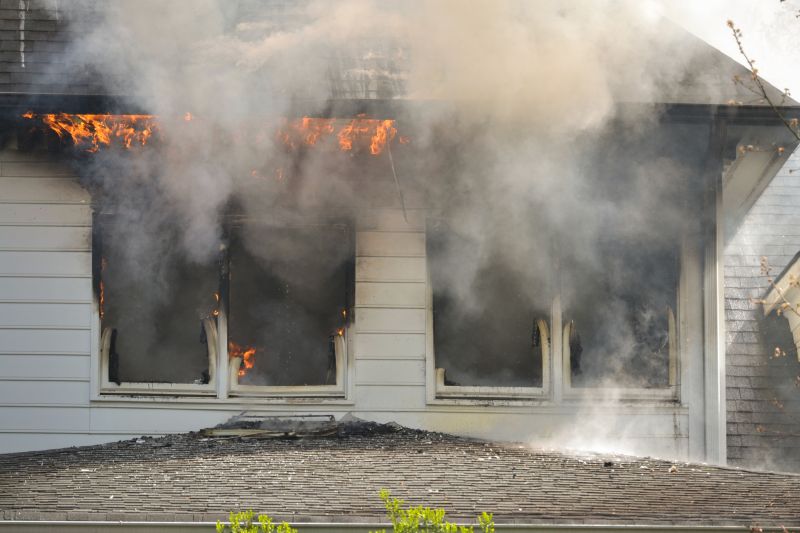
Assessing fire damage during clear weather ensures accurate evaluation.
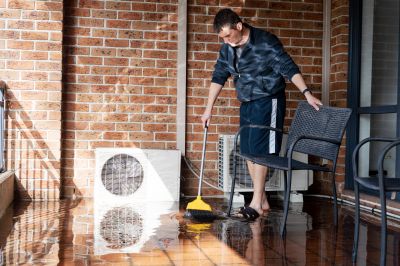
Restoration work often occurs in dry seasons for efficiency.
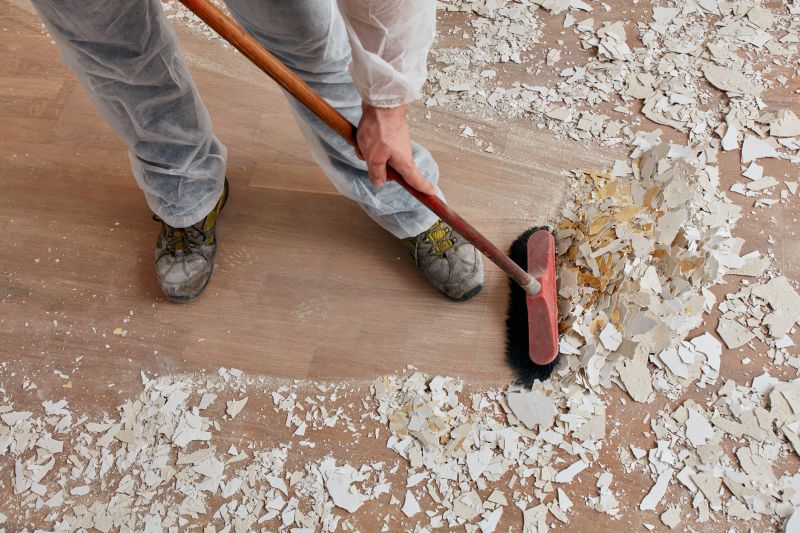
Cleaning and debris removal are best performed in stable weather conditions.

Ways to make Fire Restorations work in tight or awkward layouts.
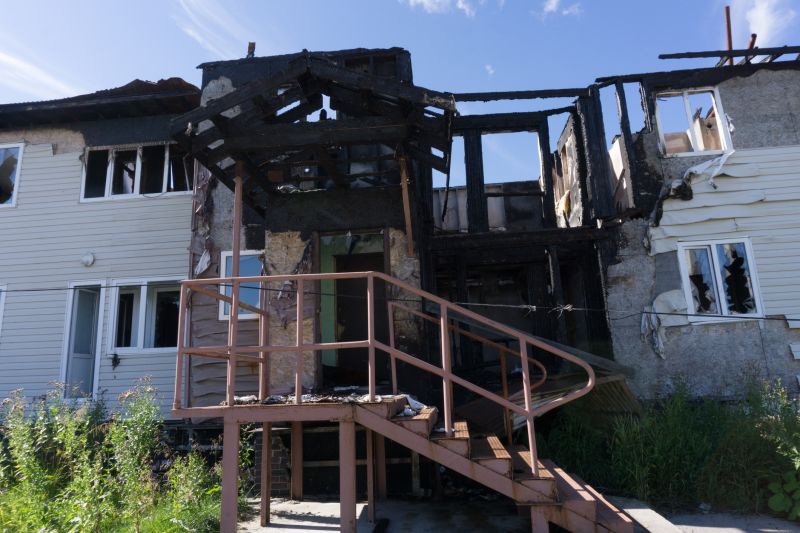
Popular materials for Fire Restorations and why they hold up over time.
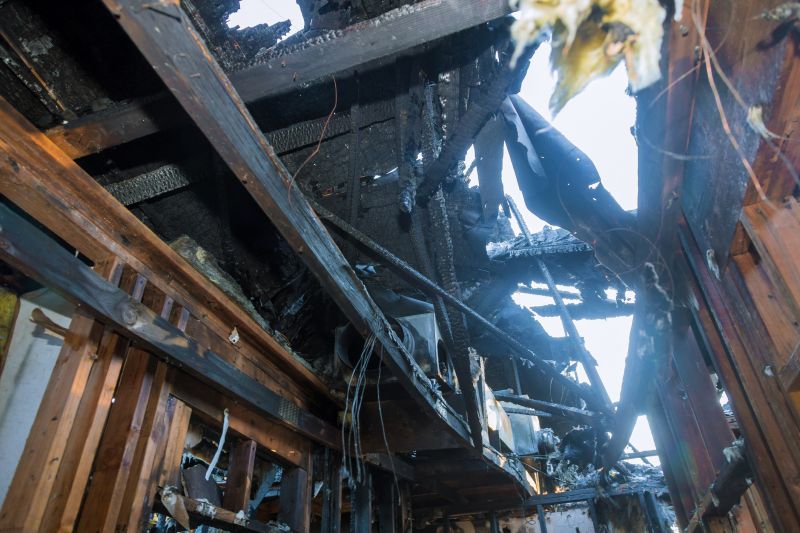
Simple add-ons that improve Fire Restorations without blowing the budget.
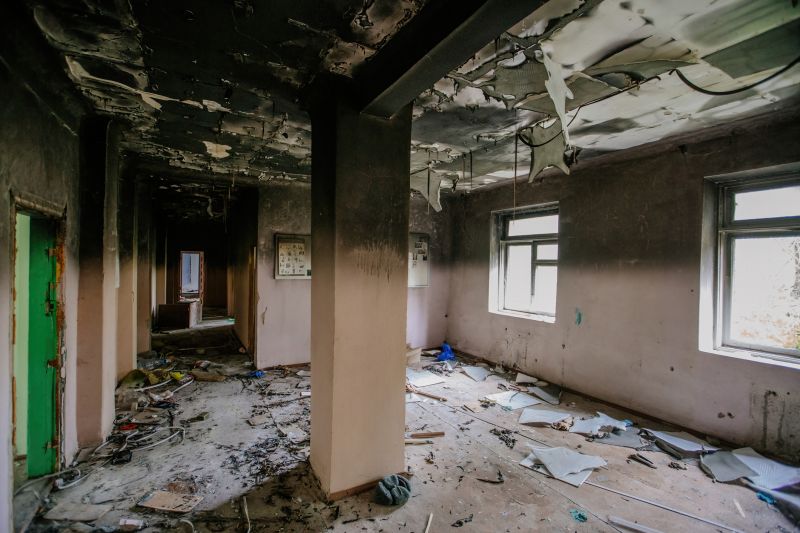
Fire restorations involve comprehensive procedures to repair and restore properties affected by fire damage. This process includes debris removal, structural repairs, smoke and soot cleaning, and odor elimination. The effectiveness of these procedures depends heavily on timing, as delays can lead to further deterioration, mold growth, and increased repair costs. Statistics indicate that timely restoration can significantly reduce long-term damage, with some studies showing a decrease in restoration costs by up to 30% when addressed promptly.
Fire restoration is a complex process that requires specialized techniques and equipment. It involves assessing structural safety, removing hazardous materials, and restoring the property's appearance and functionality. Proper timing ensures that restoration efforts are efficient and effective, minimizing disruption and preventing secondary issues such as mold or structural failure.
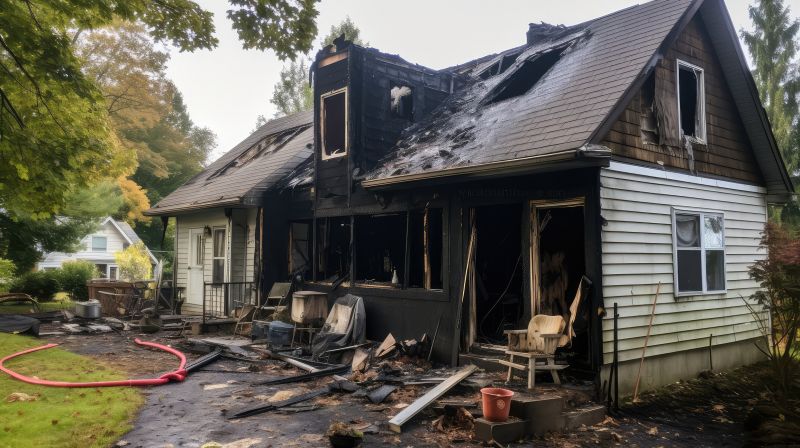
Restoration involves repairing structural elements and replacing damaged materials.
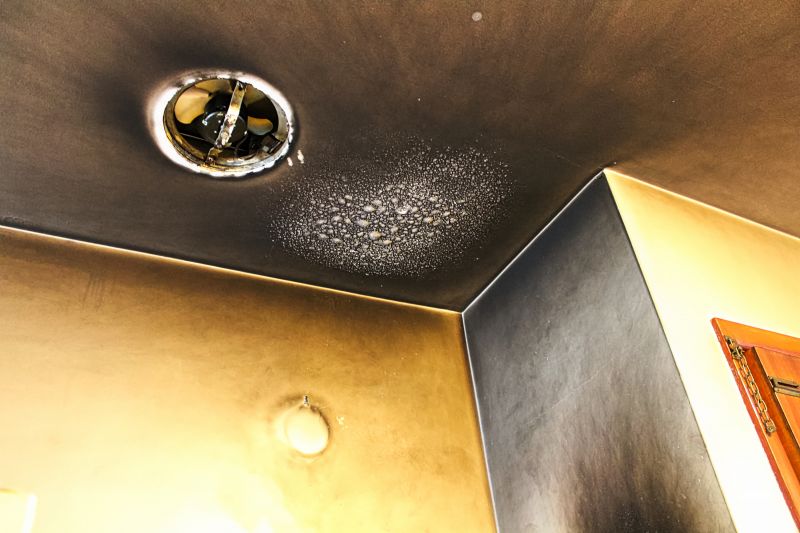
Specialized cleaning techniques remove smoke residues and odors.

Advanced technologies eliminate persistent fire odors effectively.
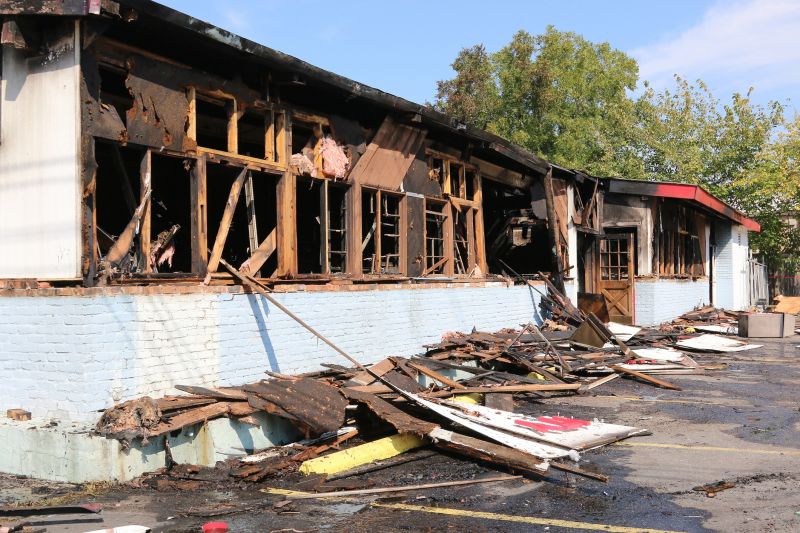
High-end options that actually feel worth it for Fire Restorations.
Finishes and colors that play nicely with Fire Restorations.

Little measurements that prevent headaches on Fire Restorations day.
| Season | Advantages |
|---|---|
| Spring | Ideal for structural repairs and exterior work due to mild weather. |
| Summer | Best for interior restoration and detailed cleaning tasks. |
| Fall | Suitable for completing projects before winter conditions set in. |
| Winter | Generally not recommended due to moisture and cold temperatures. |
| Rainy Seasons | Work is hindered by weather, increasing project duration and costs. |
For property owners in Indianapolis, Indiana, understanding seasonal impacts on fire restoration can lead to better planning and outcomes. Engaging experienced restoration providers ensures that the work is performed efficiently, safely, and to high standards. Interested parties are encouraged to contact for more information or to schedule an assessment.